PERANCANGAN BUSANA PRIA SIAP PAKAI DENGAN INSPIRASI RITUAL IOMANTE SUKU AINU
DOI:
https://doi.org/10.22441/narada.2022.v9.i2.006Keywords:
Ainu Tribe, History, Iomante, RitualAbstract
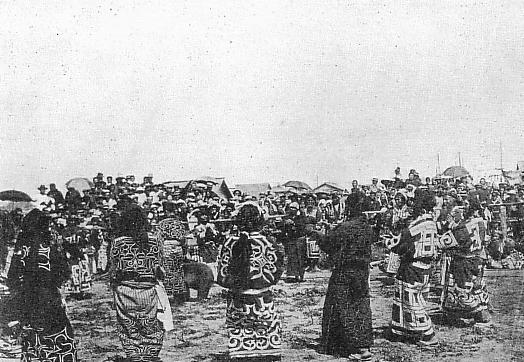
The Ainu are the indigenous people of the northern regions of the Japanese Archipelago, particularly Hokkaido, as well as Russia's Sakhalin Island and the Kuril Islands. Currently, the Ainu tribe in Hokkaido numbering about 20,000 people and adheres to the belief of spirits in every part of nature, inanimate objects, and so on. One of the Ainu cultures is the Iomante ritual, which is the ceremony of returning Kamui's spirit to the divine realm by sacrificing a bear which is considered the incarnation of Kamui himself. The uniqueness of the Iomante ritual of the Ainu Tribe inspired the design of a ready-to-wear clothing collection with manipulation details in the form of a blend of culture, typical Ainu motifs with the concept of modern men's clothing and suitable for urban communities. Typical Ainu motifs are applied to clothing using special Ainu embroidery techniques, namely Ainu running stitch and pleats. The method used is the PBL (Project Based Learning) method in the form of real project learning outcomes through information search and data synthesis, material exploration, feasibility assessment, and design interpretation into the product. The purpose of this design is to create a menswear collection inspired by the Ainu Iomante Ritual to produce a ready-to-wear menswear collection with strong, confident, and passionate characters. Thus, it is hoped that the results of designing the THE LOST TRIBE collection from the inspiration of the Iomante ritual can be a reference for modern men's clothing in Indonesia.Downloads
References
Al-Tabany, T. I. B., & Trianto, T. T. T. (2014). Mendesain Model Pembelajaran Inovatif, Progresif dan Kontekstual. Jakarta: Kencana.
Aryani, D. I. (2011). Tradisi Angpaw di Indonesia. Prosiding Universitas Kristen Maranatha, 1(1). Bandung: Universitas Kristen Maranatha.
Ayda, P. N., Astuti, A. (2020). Pembuatan Surface Design Pada Busana Ready To Wear Dengan Teknik Sashiko. Teknobuga: Jurnal Teknologi Busana Dan Boga 8(1), 62-69.
Bognar, T. (2022). Japan, Hokkaido, Poroto Kotan, Ainu aboriginal traditional dress, detail. User License:Rights Managed. https://previews.agefotostock.com/previewimage/medibigoff/a1358c6a40f9948bfb3685a8848e6f3c/z71-1427823.jpg
Daryanto. (2013). Inovasi Pembelajaran Efektif. Bandung: Yrma Widya.
Ferindra, Y. (2020). Redesign Pakaian Secondhand Berwarna Putih Menggunakan Teknik Patchwork yang Terinspirasi dari Kain Poleng. Jurnal Narada 7(2), 215-228.
DOI: 10.2241/narada.2020.v7.i2.006.
Indonesia Trend Forecasting. (2021). Fashion Trend 2021/2022 "The New Beginning". Jakarta: Badan Pariwisata dan Ekonomi Kreatif.
Irish, A. B. (2009). Hokkaido: A History of Ethnic Transition and Development on Japan’s Northern Island. North Carolina: McFarland.
Kitakamae, T. (1985). Chitsujo no Retorikku to Shakai Ninshiki. 秩序のレトリックと 社会認識 (The Rhetoric of Order and Social Consciousness), 69-94.
Lewallen, Ann-Elise. (2016). The Fabric of Indigeneity : Ainu Identity, Gender, and Settler Colonialism in Japan. [School for Advanced Research Global Indigenous Politics Series]. Albuquerque: University of New Mexico Press.
Peterson, B. (2013). The Song The Owl God Sang: The collected Ainu legendsof ChiriYukie. UK: BJS Books.
Poespo, G. (2009). A-Z Istilah Fashion. Jakarta: Gramedia.
Rezeki, R. D., Nurhayati, N. D., Mulyani, S. (2015). Penerapan Metode Pembelajaran Project Based Learning (Pjbl) Disertai Dengan Peta Konsep Untuk Meningkatkan Prestasi Dan Aktivitas Belajar Siswa Pada Materi Redoks Kelas X-3 Sma Negeri Kebakkramat Tahun Pelajaran 2013/2014. Jurnal Pendidikan Kimia (JPK) 4(1): 74-81.
Rukman, S. J. M. (2018). Motif Ombak dengan Teknik Bordir Pada Busana Formal Perempuan. [Skripsi]. Bandung: Program Sarjana Pendidikan Seni dan Desain, Universitas Pendidikan Indonesia.
Sato, Y. (2013). Iyomante: Sacred ceremony of the Ainu~ forgotten indigenous people of Japan, part 4. (2013, January 27). Diambil dari: https://discoverjapannow.files.wordpress.com/2013/12/iomante3-524x362.jpg.
Utagawa, H. (1992). The "Sending-Back" Rite in Ainu Culture. Japanese Journal of Religious Studies, 19 2/3, 255-270.
Downloads
Additional Files
Published
How to Cite
Issue
Section
License
A writer who will publish their article in the NARADA Journal of Design and Art agrees to the following conditions:
- The author owns the copyright and grants the rights to NARADA Journal of Design and Art as the party entrusted with publishing the article for the first time simultaneously licensed under the "Creative Commons Attribution-ShareAlike 4.0" License. This makes it possible for other people to share the work with a form of acknowledgment of authorship of the work and initial publication in this journal according to the authorship of the article provided.
- Authors may enter into separate additional contractual agreements for non-exclusive distribution of the published journal version of the work (e.g., posting it to an institutional repository or publishing it in a book) with acknowledgment of initial publication in the NARADA Journal of Design and Art.
- Authors are permitted and asked to post their work online (for example, institutional repositories or on personal websites) after the article publication process. This avoids double publication or multiple submissions which will affect the similarity of writing of the published work.
- In order to maintain the value of originality and similarity of articles sent or submitted. Authors are asked to temporarily remove or hide the original article from other online systems until they receive the results and decisions from the NARADA Journal of Design and Art regarding the decision to publish the article.
- The author, in this case the contributing author (Contributor Author), will be sent a form or letter stating the validity of the scientific work, signed on an IDR 10,000 stamp. Then the author will be asked to send the email to [email protected].
Pemberitahuan Hak Cipta
Seorang penulis yang akan menerbitkan artikelnya dalam NARADA Jurnal Desain dan Seni setuju dengan ketentuan berikut:
- Penulis memiliki hak cipta dan memberikan hak kepada pihak NARADA Jurnal Desain dan Seni sebagai pihak yang diberikan kepercayaan untuk mempublikasi artikelnya pertama kali secara bersamaan dilisensikan di bawah Lisensi "Creative Commons Attribution-ShareAlike 4.0". Hal ini memungkinkan kepada orang lain untuk membagi karya dengan bentuk pengakuan kepengarangan karya dan publikasi awal dalam jurnal ini sesuai dengan penulisan artikel yang diberikan.
- Penulis dapat membuat perjanjian kontrak tambahan yang terpisah untuk distribusi non-eksklusif versi jurnal yang diterbitkan dari karya tersebut (misalnya, mempostingnya ke repositori institusional atau menerbitkannya dalam sebuah buku) dengan pengakuan publikasi awal dalam NARADA Jurnal Desain dan Seni.
- Penulis diizinkan dan diminta untuk mempostingkan karyanya secara online (semisal, repositori institusional atau di situs web pribadi) setelah proses penerbitan artikel, Hal ini menghindari adanya double publikasi atau pengajuan jamak yang akan berpengaruh kepada adanya kesamaan penulisan dari karya yang diterbitkan.
- Demi menjaga nilai orisinalitas dan nilai kesamaan dari artikel yang dikirim atau diajukan. Penulis diminta untuk menghilangkan atau menyembunyikan secara sementara artikel orisinil dari sistem online lain yang sampai mendapatkan hasil nilai dan ketetapan dari pihak NARADA Jurnal Desain dan Seni mengenai keputusan publikasi dari artikel.
- Penulis dalam hal ini penulis kontributor (Contributor Author) akan dikirimkan form atau surat pernyataan keabsahan karya ilmiah, yang ditanda tangani di atas materai 10000. Dan selanjutnya penulis diminta untuk mengirimkan ke email [email protected].